

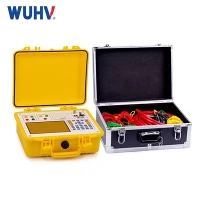


The purpose of Very Low Frequency (VLF) testing is to assess the dielectric strength and integrity of high-voltage cables and electrical insulation systems. VLF testing involves applying an AC (Alternating Current) voltage at a very low frequency to the cable to evaluate its ability to withstand high-voltage stress. Here are the main purposes and applications of VLF testing:
Assessment of Dielectric Strength:
Objective: The primary purpose of VLF testing is to determine the dielectric strength of the cable insulation.
Stress Testing: VLF testing applies a controlled high-voltage stress to the insulation, simulating higher-than-normal operating conditions.
Detection of Insulation Defects:
Sensitivity: VLF testing is more sensitive to insulation defects compared to traditional power frequency testing.
Identification of Weaknesses: The low frequency allows for extended-duration testing, making it effective in detecting insulation issues that might not be apparent under standard power frequency conditions.
Partial Discharge Detection:
Sensitivity to Partial Discharges: VLF testing is effective in detecting partial discharges within the insulation.
Early Warning System: Detection of partial discharges provides an early warning of potential insulation deterioration or defects.
Preventive Maintenance:
Routine Testing: VLF testing is commonly used for routine maintenance of high-voltage cables and electrical equipment.
Preventing Failures: By identifying potential issues early, preventive maintenance can be carried out to avoid unplanned outages and failures.
Quality Control in Cable Manufacturing:
Verification of Quality: VLF testing is employed in the quality control of newly manufactured cables to ensure the integrity of the insulation.
Identification of Defects: It helps identify defects that may have occurred during the manufacturing process.
Testing of Medium and High Voltage Cables:
Versatility: VLF testing is suitable for both medium and high voltage levels, making it applicable to a wide range of electrical systems and cables.
Long Cable Testing:
Suitability for Long Cables: VLF testing is particularly suitable for testing long cables, such as those used in power distribution networks or underground installations.
Effective Coverage: The low frequency allows for effective testing over extended cable lengths.
Non-Destructive Testing:
Minimized Stress: VLF testing is non-destructive, meaning that it applies a controlled stress to the insulation without causing significant damage.
Safe Testing Method: It allows for routine testing without the risk of causing harm to the cables.
Extended Test Duration:
Effective for Extended Durations: VLF testing allows for longer-duration testing, providing a more comprehensive evaluation of the cable's performance over time.
Compliance with Standards:
Industry Recognition: VLF testing is recognized and recommended by industry standards and guidelines for cable testing.
Meeting Criteria: Compliance with these standards ensures that the testing process meets established criteria for reliability and accuracy.
In summary, VLF testing is a valuable tool for preventive maintenance, quality control, and routine testing of high-voltage cables and electrical equipment. Its sensitivity to insulation defects, partial discharge detection capabilities, and non-destructive nature make it an essential method for ensuring the reliability and safety of electrical systems.