




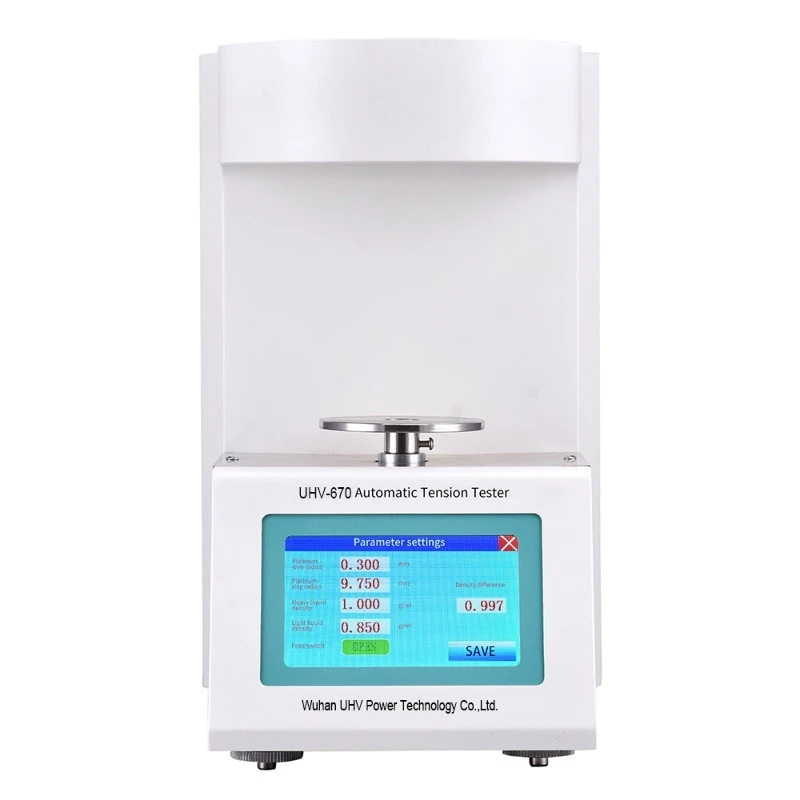
Product introduction
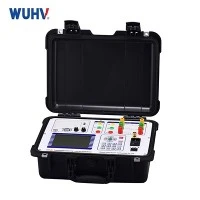
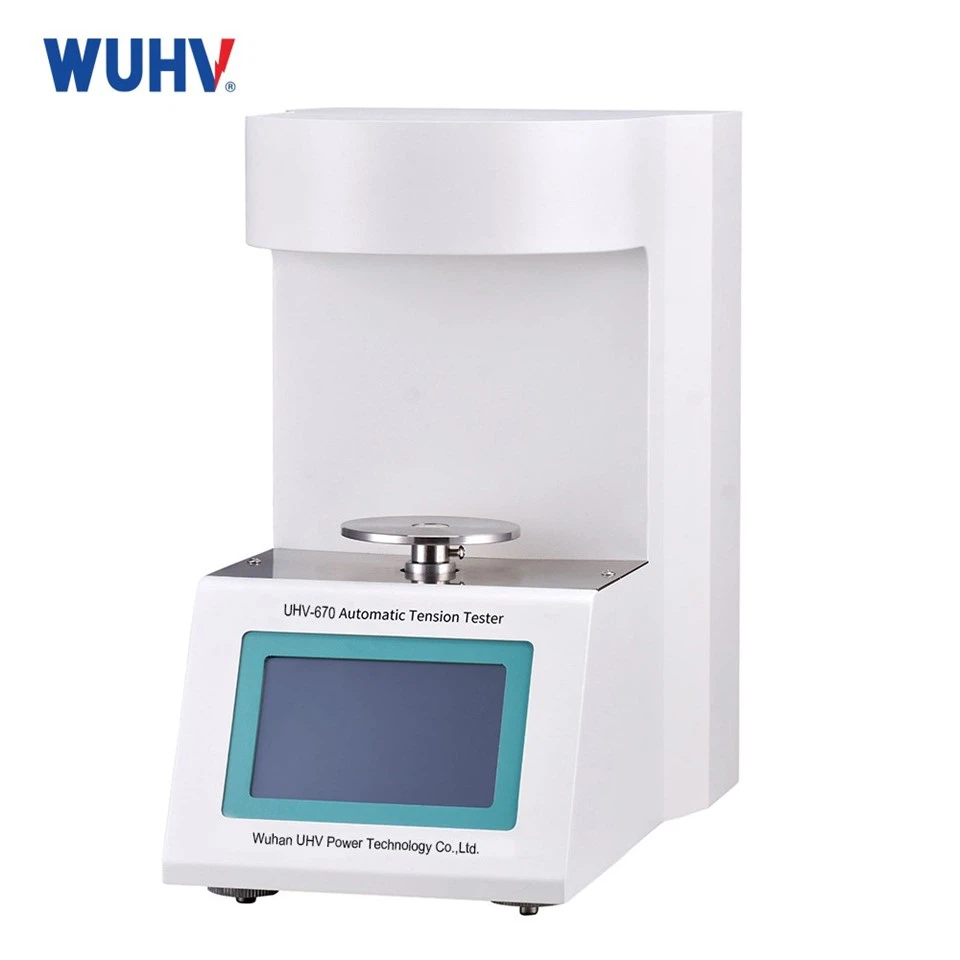
The Oil Surface Tension Tester is a professional laboratory instrument designed for measuring the surface tension and oil-water interfacial tension of petroleum products and mineral insulating oils.
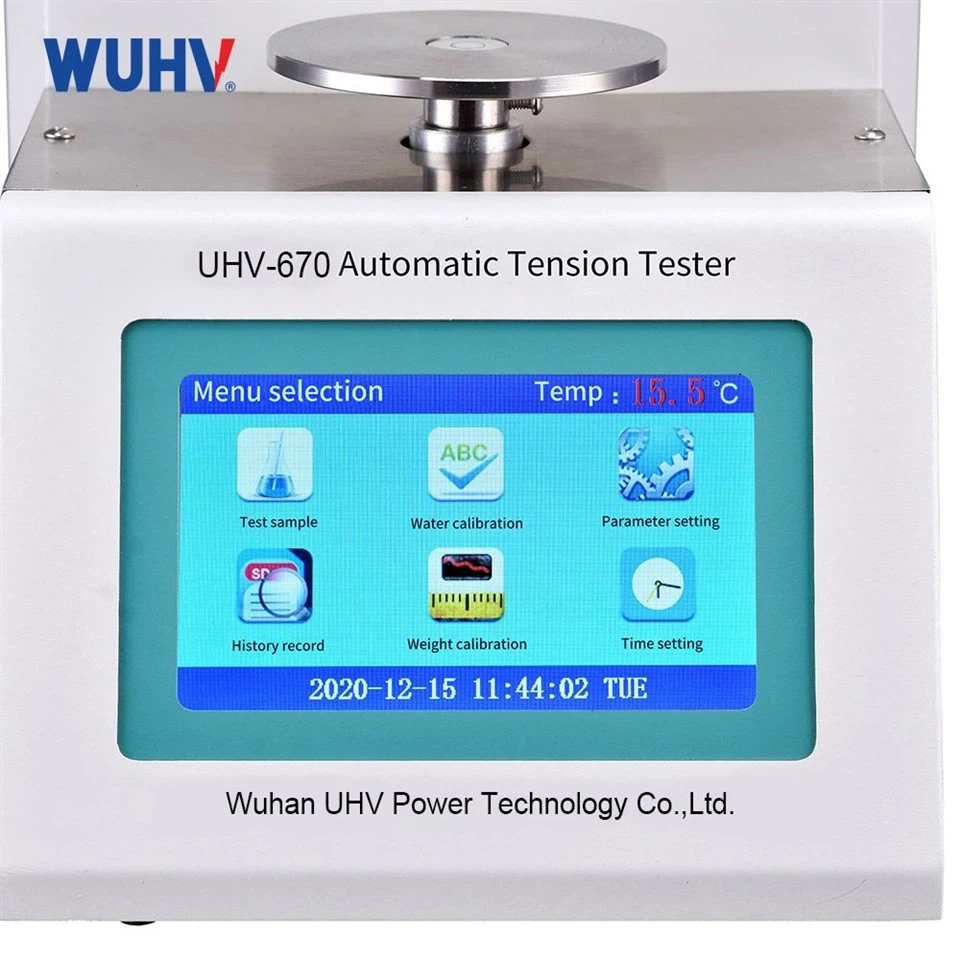
The Oil Surface Tension Tester manufacturer adopts the platinum ring method and is designed in accordance with GB 6541-86, Standard Test Method for Interfacial Tension of Petroleum Products Against Water by the Ring Method. It features an automatic high-frequency induction micro-displacement balancing system, a high-precision sensor, and a color touchscreen interface, providing accurate, stable, and easy-to-operate measurements.
The Oil Surface Tension Tester is particularly suitable for evaluating the condition of transformer oil and other mineral insulating oils, and is widely used in power plants, substations, transformer manufacturers, electrical testing laboratories, and oil testing laboratories.
Product Functions
1. Liquid surface tension measurement function: Used for measuring the surface tension between various liquids and gases, helping to analyze the surface physical properties of liquids.
2. Liquid interfacial tension measurement function: Can measure the interfacial tension between two immiscible liquids, such as the interfacial tension between transformer oil and water.
3. High-precision measurement function: Adopts sensors and automated measurement technology to precisely control the measurement process and improve the accuracy of test results.
4. Fully automatic testing function: Automatically completes the measurement process, reducing manual intervention and simplifying traditional manual or semi-automatic testing operations.
5. Automatic positioning and immersion control function: Automatically controls the immersion position, depth, and movement speed of the probe, reducing the influence of human operational differences on measurement results.
6. Automatic cleaning and drying function: Depending on equipment configuration, automatically completes probe cleaning and drying, reducing the influence of sample residue and cross-contamination on test results.

Product advantages
1. High precision and high repeatability
High-sensitivity sensors, precise temperature control, and fully automated control of key parameters (such as immersion depth, lifting speed, and horizontal alignment) significantly reduce human operation errors, resulting in more stable and reliable test results.
2. Fully automated workflow with high efficiency
With one-button start, the instrument automatically completes the entire process including measurement, cleaning, drying, and data recording. It can continuously test multiple samples without operator supervision, greatly improving efficiency and reducing labor costs.
3. Significant reduction of human errors
An automatic cleaning and drying system ensures a consistent and contamination-free probe condition for each test. Automatic positioning, immersion control, and in some models, automatic leveling further eliminate variations caused by manual operation.
4. Powerful data processing and analysis
The supporting software enables data storage, export, and report generation, along with various analytical tools for systematic comparison and data management.
5. Support for advanced testing functions
The system can be extended for advanced research applications, including:
Dynamic surface tension analysis (adsorption kinetics)
Critical micelle concentration (CMC) determination
Long-term surface/interfacial tension stability monitoring
Expandable contact angle measurement system
6. Wide applicability to different sample types
Due to its high level of automation and low dependence on operator experience, combined with stable cleaning and temperature control systems, the instrument is suitable for a wider range of complex or strictly controlled testing environments.
Application Scenarios
Power Plants
The Transformer Oil Surface & Interfacial Tension Tester is widely used in power plants for routine testing of transformer oil and mineral insulating oil. It helps monitor oil quality, evaluate oil aging and contamination, and provide reference data for transformer maintenance and oil treatment.
Substations
In substations, the tester can be used for regular condition monitoring of transformer oil. By measuring oil-water interfacial tension, operators can obtain useful information about changes in insulating oil properties and support preventive maintenance decisions.
Transformer Manufacturers
Transformer manufacturers can use the tester for incoming oil inspection, production quality control, and final product testing. It helps verify the quality and consistency of mineral insulating oil used in transformer manufacturing and related electrical equipment.
Electrical Testing Laboratories
The Oil Surface Tension Tester is an important instrument for electrical testing laboratories that perform routine transformer oil analysis. It can be used together with breakdown voltage testers, dielectric loss testers, moisture testers, acidity testers, and other oil analysis instruments for comprehensive evaluation of insulating oil.
Oil Testing Laboratories
Professional oil testing laboratories can use the instrument to measure the surface tension and oil-water interfacial tension of transformer oil, mineral insulating oil, and petroleum products. The test results can be used for oil quality assessment, research, and laboratory analysis.
Petroleum & Petrochemical Industry
The Oil Surface Tension Tester is also suitable for petroleum and petrochemical laboratories for measuring the surface and interfacial tension of petroleum products and oil-water systems. It can support product quality control, process research, and laboratory studies.
Transformer Oil Treatment & Regeneration
Companies providing transformer oil filtration, purification, and regeneration services can use the tester to evaluate oil quality before and after treatment. Comparing test results can provide useful reference data for assessing the effectiveness of oil purification and regeneration processes.
Universities & Research Institutes
The Oil Surface Tension Tester factory can be used in universities, research institutes, and laboratories for research on liquid surface properties, oil-water interfacial behavior, insulating oil aging, petroleum products, and other related materials. Its precise measurement capability makes it suitable for laboratory research and experimental analysis
FAQs
1. Why does temperature affect my measurement results?
Surface tension is temperature-dependent – as temperature increases, surface tension generally decreases. For surfactant solutions, the sample must be measured below the cloud point temperature. All surface tension values should be reported with the measurement temperature, and temperature control is essential for accurate trending.
2. Is the tester suitable for field use or only in the laboratory?
Most surface tension testers are benchtop laboratory instruments. However, some models offer long-life battery operation for flexible on-site use. Hand-held bubble pressure tensiometers are also available for portable field measurements, but free-hand measurements lead to inaccuracies – a stand should always be used.
3. What is the working principle of the instrument?
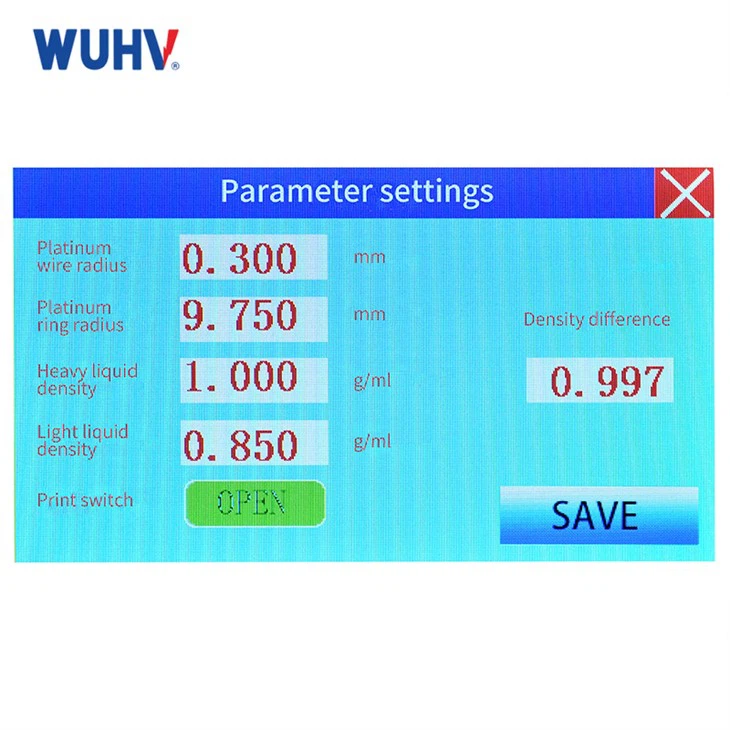
The Oil Surface Tension Tester applies a high-frequency induction micro-displacement automatic balance measurement system to a torsion balance. When the force acting on the platinum ring changes, the balance bar connected to the ring undergoes displacement in the two eddy current probes, causing the differential transformer to lose balance. The amplified signal is processed by the microprocessor, and the actual tension of the sample is automatically calculated according to GB6541.
4.Why is interfacial tension important for transformer oil testing?
Interfacial tension can help assess changes in transformer oil caused by oxidation, aging, and contamination. A decrease in interfacial tension may indicate deterioration, but results should be interpreted alongside other oil analysis parameters.
Wuhan UHV Power Technology Co.,Ltd., is a professional manufacturer and supplier of high-voltage power testing equipment in China.We offer free consulting service, one year warranty, and adopt various methods such as email communication, video calls, aiming to solve any after-sales problems in a timely manner.
If you would like to know the price of the UHV-670 Oil Surface Tension Tester, please feel free to contact us for the latest quotation. Based on your testing requirements, equipment configuration, and purchase quantity, we will provide you with a suitable pricing solution and professional technical support. For product specifications, delivery time, or customization services, please contact us at any time to obtain a detailed quotation and more product information.
Hot Tags: oil surface tension tester, China oil surface tension tester manufacturers, suppliers, factory, Insulating oil breakdown tester, rapid flash point tester, Transformer oil moisture analyzer, Breakdown test set for insulating oil, flash point determination apparatus, Breakdown voltage test unit for transformer oil


