

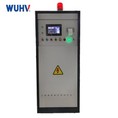


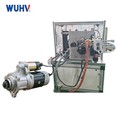
An AC Resonant Test Set is a specialized high-voltage testing device that is specifically designed to apply an AC (alternating current) high voltage to electrical equipment in order to test its insulation under realistic operating conditions. The test set uses the principle of resonance to generate a high-voltage AC signal, making it an efficient and effective method for testing large and high-voltage electrical equipment like transformers, cables, switchgear, and generators.
Purpose
The AC resonant test set is primarily used to:
Verify insulation integrity: Ensure that electrical components can safely handle high operating voltages without breakdown or leakage.
Simulate real-world operating conditions: It generates AC voltages similar to those used in normal operations, which helps in testing components under actual conditions.
Efficiently test large equipment: Since the resonant method reduces the amount of power required to generate high voltages, it is ideal for testing large components like transformers and cables in a cost-effective way.
How It Works
An AC resonant test set works by creating resonance between an inductor and a capacitor to achieve high-voltage AC output with relatively low power. This process is based on the principle of resonance in electrical circuits, where inductance (L) and capacitance (C) interact at a specific frequency to amplify voltage.
Key Components:
High-frequency AC power source: Provides the input voltage to start the resonance process.
Inductor: A coil of wire that creates inductance in the system. The inductance is a key part of the resonance circuit.
Test Capacitor: This component stores electrical energy and is part of the resonant circuit.
Resonant Circuit: The inductor and capacitor are tuned to the same frequency. When this happens, the circuit becomes "resonant," meaning the energy is transferred efficiently, resulting in a high voltage across the test component.
Output Transformer: Steps up the voltage to the desired level for the test.
The Process:
Resonance Frequency Tuning: The input frequency is adjusted until the system's inductor and capacitor resonate at their natural frequency.
Voltage Amplification: Once resonance is achieved, the energy stored in the capacitor is amplified, generating a high AC voltage (typically several hundred kV).
Test Voltage Application: The high-voltage AC generated is applied to the equipment under test (EUT), such as a transformer or cable. The voltage is gradually ramped up to the required test value.
Monitoring for Insulation Breakdown: During the test, leakage currents or insulation breakdowns are monitored. If the insulation is intact, the equipment can handle the voltage without breakdown.
Applications
AC resonant test sets are commonly used in:
Power Transformers: To test the insulation of high-voltage transformers, ensuring they can operate safely without insulation failure.
High-Voltage Cables: Used for testing the dielectric strength of cables to verify that their insulation can withstand operating voltages.
Switchgear: Tests the ability of electrical switchgear to perform reliably under high-voltage AC conditions.
Substations: In substations, resonant test sets are used to test large electrical components such as breakers, bushings, and other high-voltage equipment.
Generators and Motors: To ensure the windings and insulation of generators and large motors are in good condition.
Electrical Equipment Manufacturing: Manufacturers use AC resonant test sets for quality control to ensure that their equipment meets electrical insulation standards before they are shipped to customers.
Test Steps Using an AC Resonant Test Set
Preparation:
Make sure the AC resonant test set is properly calibrated and ready for operation.
Verify that the equipment to be tested is isolated and not connected to the grid.
Ensure all personnel are wearing proper Personal Protective Equipment (PPE), such as insulated gloves, shoes, and face shields.
Connection Setup:
Connect the high-voltage output of the resonant test set to the component under test (e.g., a transformer or cable).
Ensure all grounding and safety connections are in place to prevent electrical hazards during the test.
Frequency Tuning:
Set the resonant test set to the desired frequency range. The goal is to match the resonant frequency of the inductor and capacitor.
Begin applying the input voltage to the system and adjust the frequency until resonance is reached, which will be indicated by an increase in output voltage.
Voltage Ramp-Up:
Slowly increase the output voltage of the resonant test set to the desired test voltage, usually specified by industry standards or the manufacturer's guidelines.
Monitor the voltage and current levels during this ramp-up process to ensure that the test equipment is operating correctly.
Test Duration:
Once the target voltage is reached, maintain the test voltage for a specified period (usually between 5 and 15 minutes).
Continuously monitor the leakage current and any signs of breakdown or insulation failure (such as arcing, sparking, or insulation degradation).
Post-Test Inspection:
After completing the test, gradually lower the voltage to zero and disconnect the test set from the equipment under test.
Inspect the tested equipment for signs of damage, such as burn marks or physical damage to insulation.
Record the test results and compare them to expected thresholds. If no breakdowns or excessive leakage current occur, the equipment has passed the test.
Advantages of AC Resonant Test Sets
Efficiency: The resonant method allows for high-voltage testing with lower power consumption, which makes it a cost-effective solution.
Compact Size: The test set is relatively smaller and more portable than other high-voltage testing equipment, making it ideal for field tests.
Higher Voltage Generation: It allows for the generation of high-voltage AC, which is especially useful for large equipment that requires testing at elevated voltages.
Realistic Testing Conditions: AC resonance testing simulates the conditions under which equipment will operate, providing a more accurate assessment of insulation performance than DC testing.
Key Safety Considerations
Always ensure proper grounding and isolation of the equipment before conducting tests.
Perform regular maintenance and calibration of the test set.
Implement safety measures to avoid electrical shocks or arc flash incidents.
Always follow industry standards and guidelines for high-voltage testing to prevent damage to the equipment or injury to personnel.
If you are looking for High AC Resonant Test Set manufacturers and suppliers, please feel free to contact us for high quality and googl price of the AC Resonant Test Set and a more detailed introduction. As an enterprise of AC Resonant Test Set, last 21years,we design, development, manufacturing and marketing in China, we have various types of AC Resonant Test Set for sales to solve your problems.