

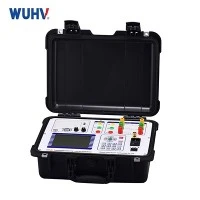


A High Voltage Tester is an electrical testing device used to check the performance and insulation quality of electrical equipment and systems that operate at high voltages. These testers are crucial for ensuring safety and functionality in applications where high voltage is involved, such as power distribution systems, electrical substations, and industrial machinery.
Purpose
The primary purpose of a high voltage tester is to ensure that electrical components, cables, and insulation systems can safely handle high voltages without breaking down or posing safety risks. It helps detect:
Insulation failures: Ensures that electrical insulation remains intact under stress.
Leakage current: Detects if there is any unexpected current flow that could indicate faulty insulation or degradation.
Performance under high stress: Simulates high voltage stress to determine if equipment can function properly under extreme conditions.
How It Works
A high voltage tester typically works by applying a high voltage (greater than the normal operating voltage) to an electrical component or system and measuring the response. There are various methods and devices involved:
Voltage Generation: The tester generates a high voltage output using a step-up transformer or a voltage multiplier.
Testing the Device: The high voltage is applied to the component being tested (e.g., cables, transformers, or insulators). The device being tested is usually grounded, and the tester monitors the leakage current or insulation breakdown.
Measurement: The tester records any leakage current or breakdown voltage, often displayed on a digital or analog meter. If the leakage current exceeds a certain threshold, it indicates that the insulation has failed.
Applications
Power Industry: Used in testing transformers, circuit breakers, switchgear, and overhead power lines.
Cable Testing: Ensures cables used in high-voltage systems can withstand electrical stress.
Electrical Equipment Manufacturing: Manufacturers use these testers to ensure quality control in high-voltage devices.
Substations & Distribution Networks: Used to test the integrity of equipment and transmission lines.
Vehicle & Aerospace: In electric vehicles, airplanes, and other systems that operate with high-voltage batteries, these testers ensure safety.
Test Steps
Preparation:
Ensure the tester is correctly calibrated and the voltage rating matches the specifications for the equipment being tested.
Wear proper PPE (Personal Protective Equipment), such as gloves and insulated shoes.
Ensure that all equipment to be tested is isolated and de-energized where necessary to prevent accidents.
Connection:
Connect the high-voltage tester's output terminals to the system or component being tested. One terminal is typically connected to the device under test (DUT), and the other to ground.
Check the connections to ensure proper contact and stability during testing.
Applying High Voltage:
Gradually apply the high voltage to the DUT. Voltage is usually increased incrementally, depending on the test protocol.
Monitor for any signs of failure such as sparks, excessive leakage current, or breakdown of insulation.
Monitoring and Recording:
Monitor the test parameters, such as leakage current, voltage level, and duration.
Record the data for analysis and safety assessments.
If the leakage current is within acceptable limits, the equipment passes the test.
Disconnection and Inspection:
Once the test is complete, gradually reduce the voltage back to zero and disconnect the tester.
Inspect the equipment for any signs of damage, burn marks, or breakdowns.
Post-Test Evaluation:
Evaluate the test results to determine if the device passed or failed.
Perform further diagnostic checks if required or implement corrective measures.
AC High Voltage Testers: These apply alternating current (AC) voltages to the equipment being tested. They are used to test components that operate with AC power.
DC High Voltage Testers: These apply direct current (DC) voltages and are generally used for testing DC systems, such as in certain types of batteries or photovoltaic systems.
Hipot (High Potential) Testers: These are specifically used for insulation testing, typically applying higher voltages to check insulation resistance.
If you are looking for High Voltage Tester manufacturers and suppliers, please feel free to contact us for high quality and googl price of the High Voltage Tester and a more detailed introduction. As an enterprise of High Voltage Tester, last 21years,we design, development, manufacturing and marketing in China, we have various types of High Voltage Tester for sales to solve your problems.