


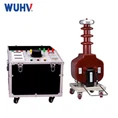
Checking if a transformer is shorted involves performing electrical tests to identify unintended connections or low-resistance paths within the transformer windings. Here are the steps to check if a transformer is shorted:
Steps to Check for Short Circuits in a Transformer:
Safety First:
Ensure that the transformer is de-energized and disconnected from the power source. Follow appropriate safety procedures, and use personal protective equipment as needed.
Visual Inspection:
Inspect the transformer visually for any signs of physical damage, burn marks, or discoloration, which may indicate a short circuit.
Disconnect Wires:
If possible, disconnect the transformer from the electrical circuit or load. This helps isolate the transformer for testing.
Set Multimeter:
Set the multimeter to the continuity or resistance mode.
Check Windings:
Measure the resistance between the windings using the multimeter probes. Each winding should be tested individually.
Normal Resistance: A normal winding should exhibit a specific resistance based on the transformer's specifications.
Short Circuit: If there is a short circuit, the resistance between two points may be significantly lower than expected, or the multimeter may indicate continuity.
Check for Ground Faults:
Measure the resistance between each winding and the transformer's ground. A low resistance or continuity indication may suggest a ground fault.
Insulation Resistance Test:
Perform an insulation resistance test between the windings and ground using a megohmmeter or insulation resistance tester. A low insulation resistance may indicate the presence of a short circuit.
Turns Ratio Test:
Conduct a turns ratio test to ensure that the turns ratio of the transformer is within the specified range. A significant deviation may indicate a shorted winding.
Visual Inspection of Windings:
Physically inspect the windings for any signs of insulation breakdown, such as burnt or melted insulation. Visual inspection can provide clues about the presence of short circuits.
Partial Discharge Measurement:
Perform partial discharge measurements using specialized equipment to detect partial discharges within the transformer. Uncontrolled partial discharges can lead to insulation breakdown and short circuits.
Professional Assistance:
Seek Professional Help:
If you are unsure about the results or if the transformer is part of a critical system, consider seeking assistance from qualified professionals or specialized testing services.
Notes:
Temperature Checks:
Check for any unusual temperature rise in the transformer during operation, as excessive heat can be a symptom of short circuits.
Advanced Diagnostic Tools:
Advanced diagnostic tools, such as thermal imaging cameras and power quality analyzers, can provide additional insights into the transformer's condition.
Transformer Type:
Different types of transformers may require specific testing procedures. Consult the manufacturer's documentation for guidance on testing your specific transformer type.
Identifying short circuits in a transformer is crucial for preventing further damage and ensuring the safety and reliability of the electrical system. Regular preventive maintenance and testing help detect and address potential issues before they lead to failures.