

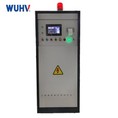


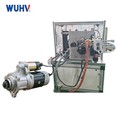
High voltage testing is a critical procedure to ensure the integrity and safety of electrical equipment operating at elevated voltages. The specific methods and procedures for high voltage testing can vary depending on the type of equipment being tested and the standards or regulations governing the testing process. Here is a general guide for performing high voltage testing:
Important Note: High voltage testing can be hazardous and should only be conducted by qualified personnel who are familiar with safety protocols and guidelines. Appropriate personal protective equipment (PPE) should be worn, and safety precautions must be strictly followed to prevent electrical accidents.
General Steps for High Voltage Testing:
Equipment Inspection:
Before testing, inspect the high voltage testing equipment, including the tester itself and any associated measurement devices. Ensure that all equipment is in good condition and calibrated.
Safety Precautions:
Wear appropriate personal protective equipment (PPE), such as gloves, safety glasses, and insulating clothing. Make sure the testing area is isolated and properly marked to prevent unauthorized access.
Verify Circuit Isolation:
Ensure that the equipment to be tested is electrically isolated from the power source or other circuits. This may involve disconnecting the equipment from the power supply and grounding it.
Prepare the High Voltage Tester:
Set up the high voltage tester according to the manufacturer's instructions. Adjust the tester settings, including voltage levels and testing parameters, based on the specific requirements of the test.
Connect the High Voltage Tester:
Connect the high voltage tester to the equipment being tested, following proper connection procedures. Pay attention to polarity, grounding, and other relevant considerations.
Apply the Test Voltage:
Gradually apply the test voltage using the high voltage tester. Monitor the equipment for any signs of arcing, corona discharge, or insulation breakdown. If the equipment passes the test, proceed to the next step.
Record Test Results:
Record the test voltage, duration, and any relevant measurements or observations. Document the results, including pass/fail criteria and any abnormalities noted during testing.
Post-Test Inspection:
After testing, inspect the equipment for any signs of damage or stress. Check for any insulation damage, overheating, or other issues that may have occurred during the test.
Disconnect and Ground:
Safely disconnect the high voltage tester and any associated equipment. Ensure that the tested equipment is properly grounded before reconnecting it to the power source.
Verify Electrical Safety:
Before returning the equipment to service, verify that it meets electrical safety standards and regulations. Perform any necessary repairs or adjustments based on the test results.
Specific Considerations:
Dielectric Withstand Testing: In dielectric withstand testing, the equipment is subjected to a voltage higher than its rated voltage for a specified duration. The goal is to verify that the insulation can withstand overvoltages.
Insulation Resistance Testing: This test measures the resistance of the insulation. It is often performed using a high voltage insulation resistance tester.
Partial Discharge Testing: For certain applications, partial discharge testing may be conducted to detect partial discharges within the insulation.
Safety Standards and Regulations: High voltage testing should comply with relevant safety standards and regulations, including those established by organizations such as the International Electrotechnical Commission (IEC) or the Institute of Electrical and Electronics Engineers (IEEE).
It's crucial to consult the manufacturer's guidelines, relevant standards, and any applicable safety regulations when performing high voltage testing. Additionally, testing procedures may vary based on the specific type of equipment being tested (e.g., cables, transformers, switchgear), so it's important to tailor the testing approach accordingly.