

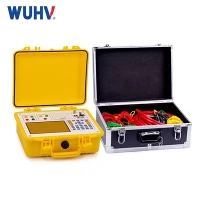


The VLF AC Hipot test (Very Low Frequency AC High Potential test) is a specific type of high-voltage testing used to evaluate the dielectric strength (insulation quality) of electrical equipment. It applies a very low frequency (typically 0.1 Hz to 1 Hz) AC voltage to the equipment being tested. This method is especially useful for testing large, high-voltage systems that cannot be easily tested with standard 50/60 Hz AC tests due to power requirements or size.
Key Applications of VLF AC Hipot Testing
1. High-Voltage Cable Testing
Long Power Cables:
VLF testing is particularly suited for testing long high-voltage cables, such as those used in underground or submarine applications. VLF AC Hipot tests are ideal for cables rated from 5 kV to over 500 kV. Due to the very low frequency, the test can handle long cable lengths with minimal power requirements compared to standard AC tests at 50/60 Hz.
Cable Insulation Evaluation:
It checks for insulation integrity, detecting faults such as weak spots, moisture ingress, voids, or degradation in the cable insulation. These weaknesses could lead to short circuits or insulation failures under normal operational voltage.
Routine Cable Maintenance:
Regular VLF testing helps to monitor the condition of installed cables, especially those that have been in service for many years or are subjected to harsh environmental conditions, preventing unexpected failures.
2. Transformer Insulation Testing
Testing Transformer Windings and Bushings:
VLF AC Hipot tests are used to evaluate the insulation in high-voltage transformers and transformer bushings. This test ensures that the insulation between windings and across bushings can handle high-voltage stress and prevents transformer failures.
Preventive Maintenance:
VLF testing can detect early signs of insulation breakdown that may lead to failure under operational conditions, thus preventing unscheduled outages and expensive repairs.
Post-Repair Testing:
After transformer repairs or maintenance, VLF testing helps verify the integrity of insulation and ensures the equipment can safely operate at its rated voltage.
3. Switchgear and Circuit Breaker Testing
Switchgear Insulation Testing:
VLF testing is commonly applied to switchgear and circuit breakers, as these devices are subjected to high-voltage conditions and are critical for the safety of power distribution systems. The test ensures the insulation around the switchgear components can withstand operational stresses without breaking down.
Breakers Under Load:
It is essential to test the insulation of circuit breakers to ensure they can handle fault conditions. VLF testing is effective in simulating real-world conditions for long periods, helping identify potential failure points in the insulation.
4. Motor Insulation Testing
Testing Insulation of Large Motors:
VLF AC Hipot tests are often used to check the insulation in large motors, such as those found in industrial plants, power plants, and mining operations. These motors operate at high voltages, and insulation failure can lead to catastrophic failures and downtime.
Motor Health Check:
The test can identify incipient insulation failures that may not yet show up under normal operational conditions, allowing for maintenance to be scheduled before a breakdown occurs.
5. Underground Power Distribution Systems
Underground Cables and Network Testing:
In underground electrical distribution systems, VLF testing is crucial for ensuring the integrity of cables buried beneath the earth. Long cable runs or buried cables exposed to moisture or physical damage are prone to insulation failures.
Cable Integrity Check:
VLF testing is used to check cables during installation, after repairs, and periodically during service to confirm that the insulation remains intact, preventing electrical faults in the network.
6. Submarine Cable Testing
Testing Submarine Power Cables:
Submarine cables, which are used for offshore power transmission or interconnecting islands, are subjected to extreme environmental conditions. VLF testing allows for effective testing of the insulation of these cables over long distances, without the need for high-power sources that traditional AC testing would require.
Long-Term Durability:
Periodic VLF tests ensure that these cables remain operational and free of faults over their long service life, allowing the identification of potential insulation failures before they impact power transmission.
7. Reliability Testing in Power Plants
Power Plant Equipment Testing:
In power plants, high-voltage systems, including generators, transformers, and switchgear, need regular testing to ensure continued safe operation. VLF AC Hipot tests provide an effective means of testing these systems to ensure they can withstand the stresses they are subjected to under full operation.
Post-Installation or Maintenance Checks:
After the installation of new equipment or following significant maintenance or upgrades, VLF AC Hipot tests confirm that all high-voltage components are safe to use and that the insulation is intact.
8. Electrical Substation Equipment Testing
Testing Insulation in Substation Equipment:
Electrical substations, which often handle power distribution at high voltages, require regular insulation testing. VLF AC Hipot testing ensures that equipment such as transformers, switchgears, circuit breakers, and busbars are able to handle operational voltage and will not break down under stress.
Aging Equipment Testing:
For aging equipment in substations, VLF testing helps detect any degradation in insulation, allowing for preventive maintenance and avoiding costly equipment failure.
9. Testing of High-Voltage Insulated Equipment
High-Voltage Insulated Components:
VLF testing is used to test high-voltage insulated components, including insulated cables, bushings, and coils. These components must be able to withstand high-voltage conditions without failure, and VLF testing verifies that they meet the required standards.
Pre-Delivery Testing:
Manufacturers use VLF testing as part of quality control before shipping high-voltage components. This ensures that the components meet the necessary insulation standards and are safe for use in high-voltage systems.
10. Post-Repair Testing
Post-Fault or Post-Repair Verification:
After a fault occurs in any of the high-voltage equipment, or after maintenance and repair, a VLF AC Hipot test can be conducted to ensure that new insulation, or repaired components, are safe and can perform at required voltages.
Routine Post-Maintenance Checks:
In industries like oil and gas, mining, and utilities, it is essential to perform post-maintenance tests to confirm that the insulation after repairs is still up to the required standards.
Summary of VLF AC Hipot Test Applications:
High-voltage cable testing (long cables, submarine cables, underground)
Transformer insulation testing (windings, bushings)
Switchgear and circuit breaker testing
Motor insulation testing
Underground power distribution system testing
Submarine cable insulation testing
Power plant and substation equipment testing
High-voltage insulated components testing
Post-repair or post-fault verification
Advantages of VLF AC Hipot Testing:
Reduced Power Consumption: VLF tests are energy-efficient, making them suitable for testing large systems like long cables and transformers without requiring large amounts of power.
Portable and Compact: The equipment for VLF testing is compact and portable, ideal for on-site testing in the field.
Non-Destructive: VLF tests are typically non-destructive, meaning they do not harm the insulation unless it is already compromised.
Ideal for Long-Distance Testing: VLF testing can be used for cables or systems where traditional AC testing would be impractical due to distance or voltage limitations.