

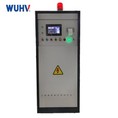

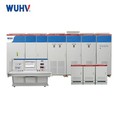
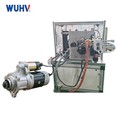
A VLF Cable Tester is an essential tool used for testing the insulation integrity of high-voltage cables, particularly medium- and high-voltage power cables. It applies a Very Low Frequency (VLF) voltage, typically around 0.1 Hz, to the cables to check their dielectric strength and to ensure the cables are safe for operation. VLF testing is highly effective in identifying insulation issues that might lead to potential failures in the future.
1. What is a VLF Cable Tester?
A VLF Cable Tester is an instrument that applies a very low-frequency AC voltage (usually 0.1 Hz) to the insulation of electrical cables to evaluate their dielectric strength. The low frequency reduces the stress on the cable insulation, allowing for effective testing without causing damage. The tester measures the leakage current that flows through the cable's insulation during the test to assess whether the insulation is intact.
2. Purpose of VLF Cable Testing
The VLF Cable Tester is used for several key purposes:
Insulation Integrity: To verify that the cable insulation can withstand high-voltage stresses without breaking down.
Early Fault Detection: To detect faults like partial discharge, cracks, or degradation in the cable insulation that could lead to future failures.
Preventive Maintenance: To ensure that cables in power distribution systems are safe and reliable, minimizing the risk of outages and failures.
Compliance: To meet industry standards and regulations that require cables to be tested before being put into service or after maintenance.
3. How Does a VLF Cable Tester Work?
A VLF Cable Tester operates by generating and applying a low-frequency AC voltage to the insulation of a cable:
Voltage Generation: The tester generates a low-frequency voltage, typically between 0.1 Hz and 0.5 Hz, which is applied to the cable under test.
Voltage Application: This VLF voltage is applied to the cable for a set duration (usually 5–10 minutes). The voltage level is usually 1.5 to 2 times the cable's rated voltage.
Leakage Current Measurement: As the voltage is applied, the tester measures the leakage current that flows through the insulation. A healthy cable will exhibit low leakage current, while a faulty cable will show higher-than-normal leakage.
Test Duration: The test is typically conducted for a specified duration (usually 5 minutes), allowing the tester to evaluate the cable's performance over time.
4. Features of a VLF Cable Tester
Key features of a VLF Cable Tester include:
Low-Frequency AC Output: The ability to apply very low-frequency voltage, typically 0.1 Hz, for effective testing of long cables.
Leakage Current Measurement: Real-time monitoring of the leakage current during the test to identify potential insulation issues.
Adjustable Voltage: The tester can adjust the output voltage according to the rated voltage of the cable being tested.
Portable Design: VLF testers are often designed to be lightweight and portable for field testing, especially in large or remote installations.
Safety Features: Built-in interlocks and alarms to ensure safe testing conditions and to prevent electrical hazards during testing.
Recording and Reporting: Some models offer data logging and the ability to generate reports to document test results for future reference or compliance.
5. How to Use a VLF Cable Tester
The steps to perform a VLF cable test are typically as follows:
Step 1: Preparation
Disconnect the Cable: Ensure the cable is disconnected from any power source.
Safety Check: Ensure that all safety precautions are in place, including grounding the cable and using personal protective equipment (PPE) such as insulated gloves.
Inspect the Tester: Check the tester for proper functionality and ensure all cables and connectors are secure.
Step 2: Connect the Tester
Connect the Tester Leads: Connect the output leads of the VLF tester to the cable's termination points (the conductor and ground). Make sure the cable is securely connected to the tester.
Set Test Parameters: Set the appropriate test voltage and duration on the tester. Typically, the voltage is set to 1.5 to 2 times the rated voltage of the cable under test.
Step 3: Start the Test
Apply the Voltage: Begin applying the low-frequency voltage gradually to the cable.
Monitor the Test: Continuously monitor the leakage current on the tester's display. The current should remain within an acceptable range for the test to be considered successful.
Step 4: Completion
Test Duration: Allow the voltage to remain applied for the full test duration (usually 5 to 10 minutes).
Discharge the Voltage: After the test is completed, slowly reduce the applied voltage to zero to discharge the cable safely.
Record Results: Record the test results for documentation and analysis. If the leakage current exceeds the acceptable limits, further investigation or maintenance may be required.
Step 5: Inspect and Disconnect
Inspect the Cable: After the test, check the cable for any visible signs of damage or weakness.
Disconnect the Tester: Carefully disconnect the tester from the cable once the test is complete.
6. Advantages of VLF Cable Testing
Some of the key advantages of using a VLF Cable Tester include:
Effective for Long Cables: VLF testing is particularly effective for testing long cable runs, such as underground cables and cables used in power generation and distribution.
Reduced Stress on Insulation: Because of the low frequency, VLF testing causes less heating and stress on the insulation, reducing the risk of damaging the cable during the test.
Portable: Many VLF cable testers are compact and portable, making them suitable for on-site testing in large power networks, substations, and industrial plants.
Cost-Effective: By identifying weak points or defects in cable insulation early, VLF testing helps prevent costly equipment failures and unplanned downtime.
7. Pass/Fail Criteria for VLF Cable Testing
The pass/fail criteria for VLF cable testing are typically based on the leakage current:
Pass: If the leakage current remains within acceptable limits, the cable passes the test. Typically, leakage current should be under 1 mA or lower, but this can vary depending on the voltage rating and type of cable.
Fail: If the leakage current exceeds the acceptable threshold, the cable fails the test, indicating potential insulation issues such as partial discharge, cracks, or degradation.
It's also essential to consider the manufacturer's specifications and industry standards to set specific leakage current thresholds.
8. Applications of VLF Cable Testing
VLF Cable Testers are widely used in various industries to ensure the reliability of high-voltage cables:
Power Generation and Distribution: For testing underground and overhead high-voltage cables in power plants and substations.
Industrial Facilities: For testing the cables that supply power to industrial machinery, buildings, and equipment.
Telecommunication: For verifying the integrity of telecommunication and data cables that are exposed to high voltages.
Renewable Energy: For testing cables used in solar farms, wind turbines, and other renewable energy systems.
Mining and Oil & Gas: For testing cables that power critical infrastructure in harsh environments.
9. Common Issues Detected by VLF Cable Testers
A VLF Cable Tester can help detect several types of issues within cable insulation:
Partial Discharge: Small areas of dielectric breakdown that can lead to failure over time.
Insulation Damage: Degradation of the insulation material due to age, exposure to chemicals, or extreme temperatures.
Cracks in the Insulation: Physical damage that can cause leakage current and reduce insulation performance.
Moisture Infiltration: Water ingress that can damage the insulation and reduce its effectiveness.
10. Maintenance of a VLF Cable Tester
To ensure your VLF Cable Tester operates reliably and accurately, regular maintenance is important:
Calibration: Regular calibration (usually every year) ensures the tester is functioning correctly and providing accurate results.
Visual Inspection: Periodically inspect cables, connectors, and test leads for wear and tear. Replace damaged components to avoid faulty readings.
Cleaning: Clean the tester after each use to remove dust, moisture, or debris that could affect performance.
Storage: Store the tester in a cool, dry place to prevent damage to the internal components.
If you are looking for VLF Cable Testers manufacturers and suppliers, please feel free to contact us for high quality and googl price of the VLF Cable Testers and a more detailed introduction. As an factory of VLF Cable Testers, last 21years,we design, development, manufacturing and marketing in China, we have various types of VLF Cable Testers for sales to solve your problems.