

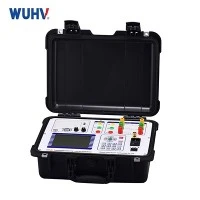


A power meter and a power analyzer are both devices used in the field of electrical measurements, but they serve different purposes and have distinct capabilities. Here are the key differences between a power meter and a power analyzer:
Power Meter:
Purpose:
A power meter is primarily designed for measuring electrical power parameters, such as active power (Watts), apparent power (VA), and power factor. It provides basic information about the power consumption of a device or an electrical system.
Measurement Parameters:
Power meters typically measure parameters such as voltage, current, active power, apparent power, power factor, and sometimes energy consumption (kWh).
Accuracy:
Power meters are generally designed for accurate measurement of basic power parameters. The accuracy is often suitable for standard power monitoring applications.
Applications:
Power meters are commonly used in residential, commercial, and industrial settings for monitoring power usage, load profiling, and basic energy management.
User Interface:
The user interface of a power meter is often simpler compared to a power analyzer. It may have a basic display showing key power parameters.
Power Analyzer:
Purpose:
A power analyzer is a more advanced device designed for in-depth analysis of electrical power quality. It provides detailed information about various power parameters, harmonics, waveforms, and transient events.
Measurement Parameters:
Power analyzers measure a wide range of parameters, including voltage, current, active power, reactive power, apparent power, power factor, harmonics, flicker, and other power quality indicators.
Accuracy:
Power analyzers are built for high accuracy and precision, especially in measuring complex power quality parameters. They are suitable for applications where detailed analysis is required.
Applications:
Power analyzers are used in more sophisticated applications where a comprehensive understanding of power quality is crucial. This includes industrial processes, research, and troubleshooting power quality issues.
User Interface:
Power analyzers typically have a more advanced user interface, often with a graphical display, data logging capabilities, and the ability to capture and analyze waveforms and harmonics.
Advanced Features:
Power analyzers may have advanced features such as the ability to capture and analyze transient events, record long-term trends, and provide detailed harmonic analysis. Some models also offer communication capabilities for remote monitoring.
In summary, while both power meters and power analyzers measure electrical power parameters, power analyzers are more advanced instruments designed for detailed power quality analysis. The choice between a power meter and a power analyzer depends on the specific requirements of the application, with power analyzers being more suitable for complex power quality monitoring and analysis tasks.