

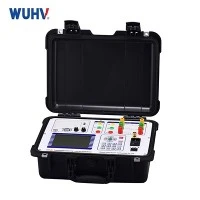


Using a VLF (Very Low Frequency) Hipot Test offers several key advantages, particularly for testing the dielectric strength of insulation in high-voltage electrical equipment. Here's why VLF testing is commonly used:
1. Simulates Real Operating Conditions
Realistic Stress on Insulation: VLF testing is designed to mimic real-world operating conditions more closely than traditional high-frequency tests. Many high-voltage electrical systems, such as long power cables and transformers, operate at very low frequencies (0.1 Hz to 1 Hz).
AC System Compatibility: Most high-voltage equipment operates under AC power, and VLF tests provide a more accurate simulation of the actual electrical stress that equipment will experience during normal operation, which may not be fully captured using higher frequency tests.
2. Ideal for Long Cables and Large Systems
Cable Testing: One of the primary applications of VLF testing is for the testing of long underground or submarine power cables (e.g., 33kV, 69kV, 115kV, or even higher). Cables with longer lengths create challenges with traditional AC Hipot tests because high-voltage systems at 50 Hz or 60 Hz require immense power. VLF testing allows for testing long cables with lower power requirements, as it uses lower frequencies and lower current.
Transformer Testing: VLF Hipot Testers are also suitable for transformers and switchgear where the insulation may be stressed over long periods.
3. Lower Power Requirements
Reduced Power Consumption: VLF Hipot testing requires far less power than conventional high-voltage AC tests at 50 or 60 Hz. Traditional tests at these frequencies can lead to significant power loss when testing high-voltage equipment. The low-frequency VLF technique minimizes this issue, making it a more energy-efficient alternative.
Portable Testing: Due to the reduced power consumption, VLF Hipot Testers are usually more compact and portable than traditional AC Hipot testers. This makes them highly practical for fieldwork and testing equipment at remote sites.
4. Non-Destructive and Safe
Non-Destructive Testing: When performed correctly, VLF testing is non-destructive, meaning it does not cause damage to the insulation under normal test conditions. It applies a high voltage for a set period to stress the insulation and check for weaknesses, but if the insulation is sound, it won't break down. This makes it safe for regular preventive maintenance checks.
Safe for Equipment: VLF tests are less likely to cause insulation failure during testing compared to higher frequency tests, as the low frequency is closer to real operational stress conditions. This means there is less risk of introducing damage or weakening the insulation during the test.
5. Detects Early Stage Failures
Identifying Weaknesses: VLF testing is effective in detecting early signs of insulation degradation, even in the absence of visible or immediate damage. Weak spots in insulation can show up as increased leakage current, even before a catastrophic failure occurs. This enables the identification of incipient faults before they turn into major breakdowns, which can improve overall system reliability.
Partial Discharge Detection: Some VLF testers come equipped with partial discharge detection, which helps identify minor insulation defects (e.g., voids or air pockets) that may not lead to immediate failure but can grow into more serious problems over time. This makes VLF testing useful in predictive maintenance strategies.
6. Suitable for Field Testing
Portable Design: Portable VLF testers are designed for use in the field, especially when working with long cables and large equipment. They are typically lightweight and easy to transport, making them ideal for use in various on-site testing scenarios, such as remote substations or cable laying projects.
Real-Time Results: VLF testers often provide real-time results, and operators can perform testing on-site without needing complex setups or infrastructure.
7. Helps in Compliance with Standards
Standards Compliance: Many international standards (e.g., IEEE, IEC) require VLF testing as part of the acceptance and maintenance testing for cables, transformers, and other electrical equipment. Performing VLF tests helps ensure that the equipment meets the required safety and performance standards.
Preventive Maintenance: Regular VLF testing is often part of preventive maintenance programs to extend the service life of critical electrical infrastructure, helping utilities and industries meet their safety standards.
8. Cost-Effective and Time-Saving
Faster Testing: VLF testing generally requires less time than traditional high-voltage AC tests, especially for long cable systems. The ability to perform tests quickly helps reduce downtime and can lower the overall cost of testing.
Cost-Effective for Field Testing: Because of its portability, lower power consumption, and shorter testing duration, VLF Hipot Testing is often more cost-effective than using traditional high-voltage testing equipment, particularly for field service applications.
9. Versatile in Application
Versatile Equipment Testing: While VLF testing is typically associated with cables, it can also be used on a variety of other high-voltage electrical systems, such as:
Switchgear
Transformers
Motors
Generators
Busbars
VLF testers can be adapted for testing different types of insulation (e.g., solid, gas, or liquid insulation) depending on the requirements of the specific equipment being tested.
Summary of VLF Testing Benefits:
| Benefit | Description |
|---|---|
| Simulates Real Operating Conditions | Closer to actual operating stress on insulation. |
| Ideal for Long Cables & Large Systems | Efficient for long cables and large high-voltage equipment. |
| Lower Power Requirements | Consumes less power, reducing energy costs. |
| Non-Destructive & Safe | Safe for the equipment being tested, with minimal risk of damage. |
| Detects Early Stage Failures | Finds potential weaknesses and incipient failures. |
| Portable & Field-Ready | Easy to transport and use in the field for on-site testing. |
| Compliance with Standards | Meets international safety and performance standards. |
| Cost-Effective & Time-Saving | Reduces testing time and operational costs. |
| Versatile | Can be used for multiple equipment types and different insulation materials. |
Conclusion
In short, VLF testing is essential for the safe, efficient, and reliable operation of high-voltage electrical equipment. It's particularly useful for long cables, transformers, and switchgear, and it helps ensure that insulation is strong enough to handle the stress of normal operation. By using VLF testing, you can detect weaknesses early, prevent failures, and extend the lifespan of critical infrastructure while saving time and money on testing and repairs.