

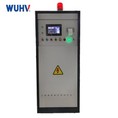

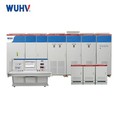
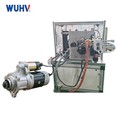
A VLF (Very Low Frequency) Tester is a device used to test the insulation of high-voltage equipment, especially cables. It applies a low-frequency AC voltage (typically in the range of 0.1 Hz to 1 kHz) to the equipment being tested, simulating the electrical conditions it would experience in normal operation. The purpose of this test is to assess the integrity and reliability of the insulation and detect any potential issues like weak spots, damaged insulation, or moisture ingress that might cause future electrical failures.
Here's a breakdown of what a VLF tester does:
1. Apply Low-Frequency Voltage:
The tester applies a very low-frequency AC voltage to the insulation of cables or other high-voltage electrical components. This voltage simulates the kind of electrical stress that the equipment would experience during normal operation but at a much lower frequency than typical power line voltages (50/60 Hz).
2. Insulation Integrity Check:
By applying this voltage, the tester checks the insulation's ability to withstand electrical stress without breaking down. If the insulation is compromised (due to factors like aging, moisture, or physical damage), it will fail during the test, and this indicates the need for maintenance or replacement.
3. Identify Weaknesses in Insulation:
A VLF tester helps locate weak spots in the insulation. These weak spots could eventually lead to an electrical fault. Since it is a high-voltage test, it can identify issues in the insulation that would not show up under normal operating conditions.
4. Detect Moisture or Contamination:
Moisture or contaminants can degrade the insulation over time. VLF testing is sensitive to these factors and can help identify equipment that is susceptible to insulation breakdown, even before it completely fails.
5. Long-Term Stress Simulation:
The VLF test simulates the long-term stresses that the insulation would experience over the lifespan of the cable or equipment. This makes it especially useful for testing cables that are in service for long periods (e.g., underground cables, high-voltage transmission lines, or substation equipment).
6. Perform Partial Discharge Detection (Optional):
In some VLF testing systems, partial discharge (PD) detection can be incorporated. PD is an early sign of insulation breakdown, and its detection can help identify potential problems that might not yet have caused visible damage.
7. Test Duration:
VLF testing typically lasts several minutes to several hours, depending on the specific requirements and the equipment being tested. It may last up to 24 hours in some cases for extended stress testing, especially on long cables.
8. Provide Pass/Fail Results:
The VLF tester typically provides a pass/fail result based on whether the insulation can handle the applied voltage without any breakdown. The test also helps to provide insights into whether the insulation needs maintenance, repair, or replacement.
9. Types of Equipment Tested:
Cables: Both underground and high-voltage cables, including XLPE (cross-linked polyethylene) and EPR (ethylene propylene rubber) insulated cables.
Transformers and switchgear: High-voltage electrical components that require strong insulation for safe operation.
Capacitors and other electrical equipment that must handle high voltages for long periods.
Key Benefits of Using a VLF Tester:
Non-Destructive: The VLF test is a non-destructive test, meaning it does not damage the equipment being tested, allowing it to remain in service if it passes.
Identify Insulation Weaknesses Early: The test can detect weak spots or areas at risk of failure, preventing unexpected breakdowns.
Portable and Practical: VLF testers are portable, which makes them ideal for field testing on-site, especially for cables that span long distances.
Energy Efficient: Compared to traditional high-voltage testing methods, VLF testing uses less power and is often more cost-effective for testing cables.
Typical Applications for a VLF Tester:
Cables: Especially for long, high-voltage cables, like those used in power transmission and substations.
Electrical Power Systems: For testing insulation in high-voltage equipment like transformers, switchgear, and circuit breakers.
Infrastructure Maintenance: Used for periodic maintenance checks on electrical infrastructure, helping utilities or companies maintain reliable service and avoid outages.
In Summary:
A VLF tester is an essential tool for ensuring the reliability and safety of high-voltage electrical systems. It checks for weaknesses in insulation by applying a low-frequency AC voltage, which helps to identify potential problems before they cause failures. This makes it crucial for long-term, preventative maintenance in industries such as power generation, transmission, and distribution.